
create something meaningful.
This page is just a brief overview of how to start a business and the key considerations for starting one. If something is missing or you would like to add something, please contact us!
First Steps
This is a short checklist on things to consider when starting and/or brainstorming about your business.
Define your business type
Check if your business name is already out there (i.e., look at trademarks)
Define your business brand
Why is it different?
Get a business address. Even if it’s just a PO box.
Utilise social media (for promotion, Canva is good for this).
Think about a potential website
-
A business owned and operated by a single person. The owner is responsible completely for the business and its debts.
-
When two or more people run a business and share ownership of it together. Partnerships can be general (everyone shares equal responsibility for what happens with the business) or limited (some people are not held responsible for certain aspects of the business).
-
Often chosen by small businesses. LLC’s combine the fluid structure of sole proprietorship with the liability protections of a cooperation. I.e., if an LLC goes into debt, the owners cannot have personal assets like cars or houses taken from them to pay said debts. An LLC is also a lot less rigid and hierarchical then a company (e.g., it does not need a board of governors and can be ran by its owners).
-
A more formal business structure than an LLC chosen by larger companies. It is a separate legal entity from its owners, and the business must handle its own debts. Corporations need a board of directors and can usually raise a lot more money than other business types through selling shares.
-
A business that doesn’t aim to make profit and instead exists as a service, or to fulfil a goal/purpose. Non-profit organisations can be exempt from certain taxes but have to follow strict rules and regulations (e.g., non-profit organisations cannot distribute any profits to owners or shareholders).
Business Types
Videos
Unless you can create or offer a product/service that no one can or will ever be able to duplicate, you need a brand. E.g., anyone can create an app like TikTok, but not everyone can get the same ‘fanbase’ as TikTok. Branding gives users colours, images, logos, phrases, to associate your business with. It gives them an experience (e.g., Starbucks) that will make them want to buy from your business again, instead of somewhere else that offers the same products/services.
Promotion and ‘ the Brand ‘
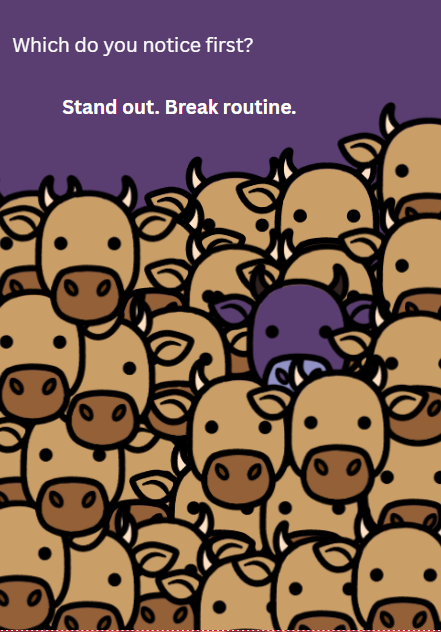
Feelings create the strongest memories, and a brand ties everything in your business into one big feeling. Of course, you need reliability, quality, good deals, customer satisfaction for your business, but branding is often the unique part. The stronger your brand is, and the stronger everything associated with your business ties into that brand, the bigger impact that brand will have in creating a loyal customer.
TLDR; Strong brands help give customers a feeling to associate you by. That feeling in turn turns into a memory. This makes customers come back to you. Make your brand create a feeling.
The Purpose
What is the function of your business?
Think of putting a stake in the ground that marks exactly what your business’s purpose is. Being able to write one-two sentences summing up your business is like tying a rope to yourself and that stake. It guides you when filling out forms about what your business is and prevents you from straying too far when making decisions about your business.
WHY ARE YOU DOING IT?
To make any project last, you need to love it, or at least believe in it. So, why do you believe in your business?
Think about this when writing those one-two sentences on your business above.